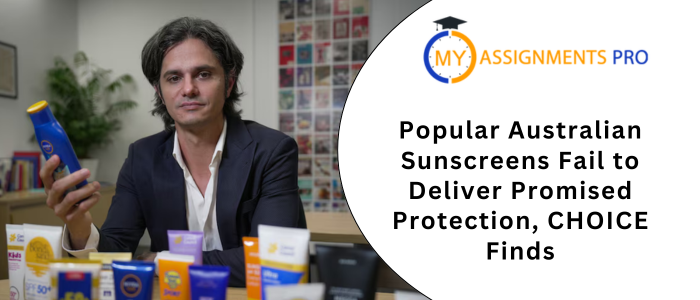
If you’ve been relying on your sunscreen to provide the protection listed on the label, a new report from consumer watchdog CHOICE might leave you rethinking your beach bag essentials.
In an investigation that has sparked national concern, CHOICE revealed that several of Australia’s leading sunscreen brands—including popular names like Bondi Sands, Banana Boat, and even the Cancer Council—may not be living up to their advertised SPF ratings.
What Did CHOICE Discover?
CHOICE tested 20 popular sunscreen products labelled SPF 50 or SPF 50+, sourced from major Australian retailers. Shockingly, 16 of those did not meet the sun protection factor claimed on the packaging.
SPF, or sun protection factor, measures a product’s ability to shield skin from UVB radiation—the rays primarily responsible for sunburn and linked to skin cancer. For context, SPF 30 blocks around 96.7% of UVB rays, while SPF 50 filters about 98%. A small difference in numbers can mean a significant difference in protection, especially under Australia’s intense sun.
The Worst Offender: Ultra Violette’s Lean Screen
CHOICE’s most alarming finding was with Ultra Violette’s Lean Screen SPF 50+, which shockingly returned an SPF rating of just 4 in initial tests. CHOICE CEO Ashley de Silva described the result as “shocking” and confirmed they repeated the test with a second batch of the same product at a laboratory in Germany. The result? A slightly improved—but still vastly underperforming—SPF of 5.
Ultra Violette hit back strongly, rejecting CHOICE’s results and calling the tests “misleading.” The company claimed their own testing, done with a full 10-person panel in line with TGA (Therapeutic Goods Administration) requirements, returned an SPF of 61.7—well above the 50+ threshold.
CHOICE, however, clarified that their Australian lab tested all sunscreens on 10 participants, and only the Ultra Violette product was retested with five people in a second validation round.
Other Sunscreens That Fell Short
Unfortunately, the Ultra Violette product wasn’t the only one to underdeliver. Several well-known products were found to have much lower SPF ratings than advertised:
- SPF in the 40s
- Coles Sunscreen Ultra Tube: tested at SPF 43
- Nivea Sun Kids Ultra Protect & Play Lotion: SPF 41
- Nivea Sun Protect & Moisture Lock: SPF 40
- Sun Bum Premium Moisturising Lotion: SPF 40
- SPF in the 30s
- Banana Boat SPF50+ Lotion: SPF 35
- Bondi Sands Fragrance Free SPF50+: SPF 32
- Cancer Council Kids Clear Zinc 50+: SPF 33
- Invisible Zinc Face + Body Mineral SPF 50: SPF 38
- SPF in the 20s
- Aldi Ombra Everyday SPF 50+: SPF 26
- Banana Boat Baby Zinc SPF 50+: SPF 28
- Bondi Sands Zinc Mineral Body Lotion SPF 50+: SPF 26
- Cancer Council Everyday Value SPF 50: SPF 27
- Cancer Council Ultra SPF 50+: SPF 24
- Neutrogena Sheer Zinc Dry-Touch SPF 50: SPF 24
- Woolworths Sunscreen Everyday SPF 50+: SPF 27
With so many products underperforming, it raises big questions for Australian consumers who rely on sunscreen daily for protection against the country’s harsh UV rays.
Sunscreens That Passed the Test
On a brighter note, four sunscreens tested by CHOICE met or even exceeded their SPF claims:
- La Roche-Posay Anthelios Wet Skin SPF 50+: tested at SPF 72
- Neutrogena Ultra Sheer Body Lotion SPF 50: SPF 56
- Cancer Council Kids Sunscreen 50+: SPF 52
- Mecca Cosmetica To Save Body SPF 50+ Hydrating Sunscreen: SPF 51
These products stood out as reliable choices for Aussies wanting dependable protection.
What the Experts Say
Ashley de Silva said the number of underperforming sunscreens—16 out of 20—is "a really significant number.”
“Consumers are expecting their sunscreen to protect them in line with the SPF rating on the bottle,” he said. “It’s vital that Australians can trust that the products they use, especially for something as serious as sun protection, actually work as advertised.”
He added that while sunscreens with SPF in the 30s still offer reasonable protection, the problem lies in misleading marketing. “It’s about trust. If a product says 50+, then it should be tested and proven to meet that standard,” de Silva said.
Brand Responses
Several of the brands named in the report have responded:
- Cancer Council: Called CHOICE’s findings “very concerning” and said it had submitted its products for independent international testing out of caution.
- Bondi Sands: Rejected CHOICE’s assessment, stating their sunscreens meet TGA standards when used as directed.
- Woolworths: Said its own-brand sunscreens are tested regularly under TGA’s “stringent” requirements.
- Aldi: Reaffirmed that its sunscreens undergo independent lab testing to comply with Australian regulations.
- Invisible Zinc: Said its SPF 50 product tested at 63.1 in 2017, and that its formulation hadn’t changed. They acknowledged that SPF testing can vary due to differences in individual skin responses.
What Happens Now?
CHOICE has shared its findings with all manufacturers involved and is urging regulatory bodies to step in. The TGA confirmed it is investigating and will “take regulatory action as required.”
Meanwhile, the ACCC (Australian Competition and Consumer Commission) said businesses must not make false or misleading claims and that it will work with the TGA to review the allegations.
What This Means for Aussies
Australia has one of the highest skin cancer rates in the world. For many Australians, sunscreen is a non-negotiable part of everyday life—whether it’s a day at the beach or a quick walk to the shops. But this report raises serious concerns about whether we’re really getting the level of protection we’re promised.
If you’re looking for peace of mind, it might be worth checking out the few products that did pass CHOICE’s testing. And most importantly, remember that sunscreen is just one part of sun safety. Seek shade, wear protective clothing, and avoid excessive sun exposure during peak UV hours.
As investigations continue, consumers are advised to remain cautious and informed—because when it comes to sun protection, trust and transparency really matter.
Reliable and Affordable Assignment Help for Every Student
Struggling with your studies? My Assignments Pro offers expert assignment help designed to support students across a wide range of subjects including business, law, nursing, finance, and more. Our professional writers deliver thoroughly researched, 100% plagiarism-free assignments tailored to your university's guidelines. With quick turnaround times, budget-friendly pricing, and special discounts for bulk orders, getting dependable assignment help has never been easier. Trust My Assignments Pro for high-quality academic solutions that make your student life easier.
Source
Mitchell Renshaw
Mitchell is a seasoned Ph.D. scholar with extensive expertise gained through years of rigorous research, publication, and teaching experience. He brings a wealth of knowledge and analytical skills to tackle complex academic challenges. His work is dedicated to delivering innovative solutions, advancing knowledge, and promoting academic excellence. Proficient in research methodology, data analysis, and scholarly writing, Mitchell has contributed to peer-reviewed journals and mentored students to achieve academic success.